Welcome!
Please enjoy your visit, and contact me with your ideas or comments about the site.
|
|
|||
|
This site offer what I hope are useful and pertinent materials to
help you gain proficiency in the University student learning outcomes
identified for this course: Ecological Literacy, Sense of Place
and Environmental Education.
This is my storytelling. I hope it will provide an opportunity for education by showcasing the unique perspective afforded by my experiences at FGCU in Southwest Florida. |
|||
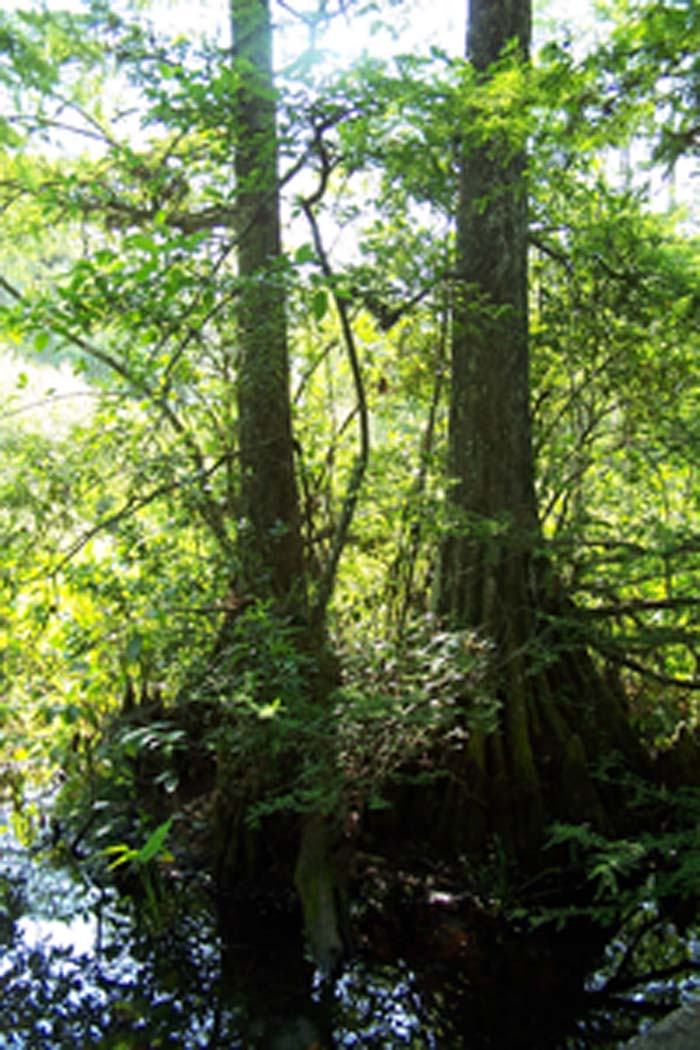
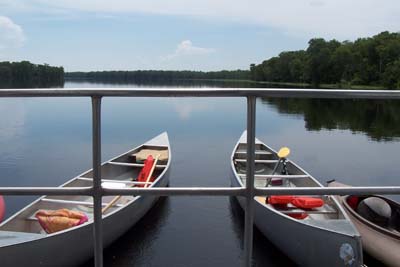
| My favorite seton spot at Corkscrew Swamp Sanctuary |
![]() |
||
|
May,2005
|
|||
|
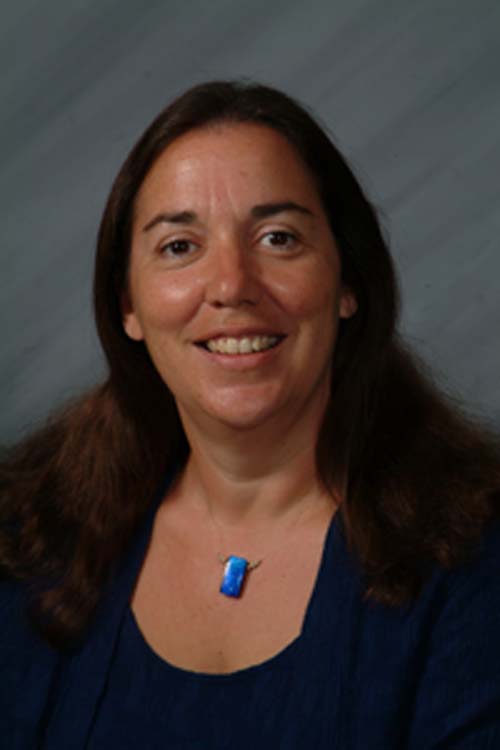
Nora Egan Demers Associate Professor of Biology and Interdisciplinary Studies Florida Gulf Coast University Telephone: (941) 590-7211 Email: ndemers@fgcu.edu Office location: Whitaker Hall, 218 |
It may be easier for you to navigate if you know more about me. Try these links to my home page to learn about my and
and for some great links check
out my
|
Know your plants- FGCU virtual tours See the Summer, 2007 student presentations Check out the Summer 2008 section of this class- student presentation, current issues, etc Take your ecological footprint here http://www.youtube.com/watch?v=IoRjz8iTVoo
Scroll down for more details including field trip sites, and links to assigned readings. What is all this fuss about American consumption? Have a look at this site called World Mappers for some amazing examples! Now all Colloquium sections will have a course-based service learning component. Instructors may select projects, or have students select their own projects at EAGLES CONNECT, the Center for Civic Engagement at FGCU.
|
|
|
Growth Economics- social traps (read David Orr for details on the
concept)- then examine your ecological literacy in light of the
environmental education you have been receiving since birth.
So much about this class is represented in this image- it is the intersection of Alico Road and Ben Hill Griffin Rd. Note the dwarfed Panther crossing sign on the soon to be opened (2005 image) extension of Treeline Blvd., just up the road from FGCU . To learn more about the significance, read the FGCU and ABM material below. In Feb, 2006 I wrote this creative journal entry that provides a metaphor to describe how I see Southwest Florida's growth practices. |
|||
|
|
Historical documents about FGCU's journey:
WGCU's UNIVERSITY COLLOQUIUM STORY see it here! Introduction to the Colloquium (WGCU production)- comments from former students FGCU Mission, Vision and Guiding Principles FGCU Student learning outcomes The Environmental Stewardship Management Plan Power point on the Management plan from Lewis Johnson, Director of FGCU's EH&S Department (presented to Colloquium CRN 50110) July, 2007 The Arnold Committee Report from the ABM (see below) Poster: Florida Gulf Coast University: Founded and Established at the Crossroads of Science and Policy Southwest Florida Regional Stewardship Alliance’s website www.swfrsa.org Solutions 2007 Forum at FGCU
|
||
|
The
Estero
Bay Agency on Bay Management- (ABM) is
a non-regulatory advisory committee to the
Southwest
Florida Regional Planning Council. Its directive is to make comments
and recommendations regarding the management of Estero Bay and its
watershed.
Negotiations over the permit issuance for the Florida Gulf Coast University led to a Settlement Agreement that called for the creation of the "Arnold Committee" and an assessment of overall land uses and natural systems, environmental protection and mitigation tools in the Estero Bay watershed. Upon completion of the Assessment and its adoption by the Arnold Committee in October of 1996, the Council established and began providing Staff support to the Estero Bay Agency on Bay Management (ABM).
|
|||
| Below find links to author material, field trip locations, and related links on course concepts. | |||
|
Field trip sites:
Covanta Energy - Lee County Facility ECHO (Networking Global Hunger Solutions) Fort Myers Beach Historical Cottage
|
Select material about John
Dewey :
|
||
Select materials about Aldo Leopold:
|
Select material
about David Orr:
Ecological Literacy SUNY Press
|
||
|
Sustainable development is
"development that meets the needs of the present without compromising the ability of future generations to meet their own needs." It was presented in Our Common Future. The World Commission on Environment and Development which was published in 1987. You can read the entire Bruntland report here (over 300 pages). Here's a Wikipedia entry explaining Our Common Future. Open University's Our Common future site |
The Worldwatch
Institute has been publishing the State of the
World series since 1987.
State of the World 2008- beyond the book Local resources include governmental agencies, local advocacy groups and newspapers. Special report from 2003: Deep Trouble: Gulf in Peril |
||
|
Environmental Economics helpful links:
The National Center for Environmental Economics Environmental Economics Program at Harvard Environmental, Natural Resources, and Sustainability Economics Website (Hackett from Humboldt) |
More Bioethics authors:
Rachel Carson Organization - one of her most powerful books is Silent Spring |
||
|
Environmental Health resources:
National Center for Environmental Health (CDC) National Environmental Health Association |
Sense of Place
Links:
The Foundation for Global Community |
||
|
Colloquium links by other faculty at FGCU:
This FGCU Colloquium site (from 2003) has extensive links and instructions about the course including assignments, rubrics, journals and field trip resources: Terry Wimberley has created an awesome site to support his section of the course- there are links to dozens of pertinent groups and agencies. |
Perhaps one of the most powerful way sot think about the concept of ecological literacy is by incorporating it with our spiritual and religious lives. This link is one that I think helps guide that consideration in a meaningful way | ||
|
Creative journaling is a big part of this class. This course
requirement empowers us to take time for ourselves to slow down and
better appreciate the many blessing we have.
The Nature Journal as a tool for learning In this area you will find links to creative journal ideas. Bill Hammond is our local guru for creative journaling. He has been an inspiration and leader in Environmental Education in Lee County for over 30 years. I've found some links to his suggestions an included them here for you. Elements of Change - an entry by Dr. Hammond from 1994 The most powerful part of the Corkscrew Swamp field trip could well be the seton. Here is another example; The Naturalist's Notebook |
In this area you will find links to material about the
"slow" movement.
In Praise of slowness- the simple living network
|
||
| The views and opinions expressed in this page are strictly those of the author and in no way represent those of FGCU or the FGCU board of trustees |